
How an Excavation Company Landed $55,000 in Jobs From 4 Months of SEO
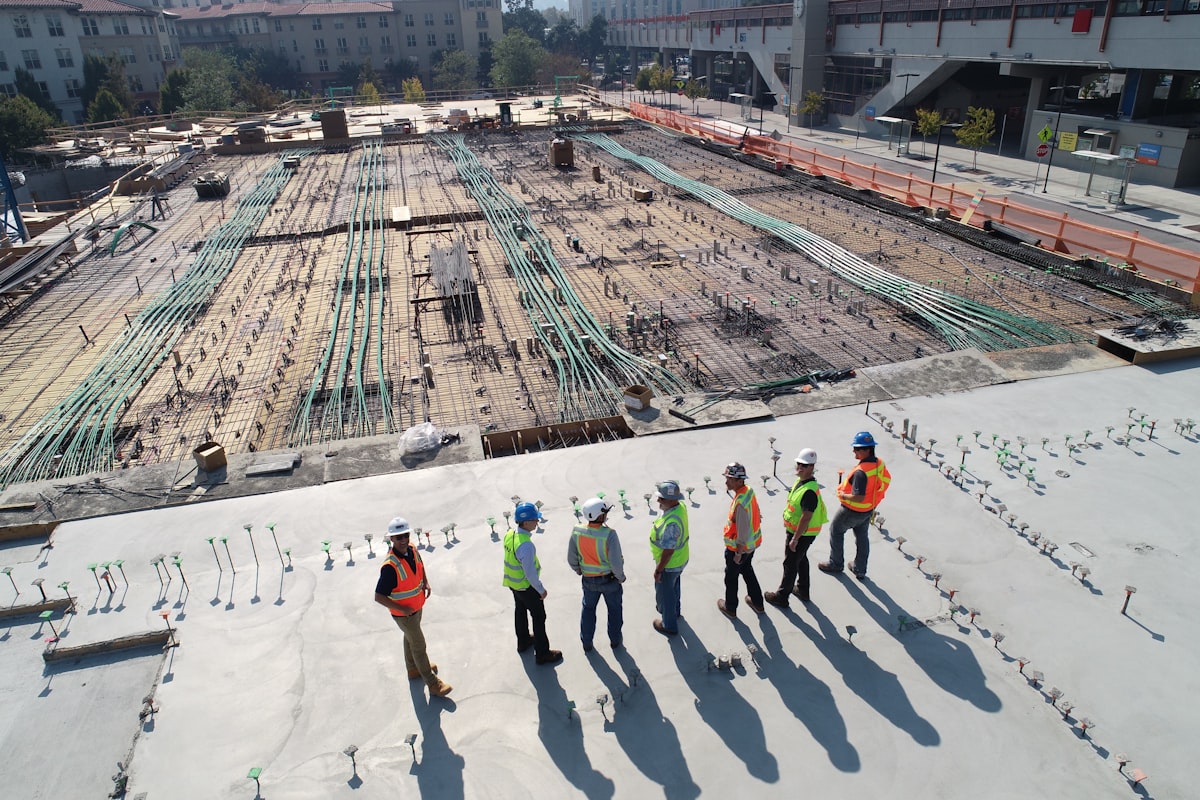
Most excavation contractors we talk to are in the same spot. The phone rings because somebody's cousin needed a driveway, the work comes from twenty years of reputation, and the truck has a phone number on the door. That is a real business. It is also a fragile one, because the month referrals slow down there is nothing else running. This is the story of one San Diego excavation company that fixed that with excavation company SEO — and the specific sequence of work that turned into $55,000 in jobs in four months.
TL;DR
- •The company started with no website, no Google Business Profile, and jobs coming only from referrals.
- •The website was built around service pages for excavation, grading, and drainage rather than a single brochure page.
- •The Google Business Profile was fully built out with correct categories, services, weekly posts, and real job photos.
- •Around 200 keywords ranked and inbound calls climbed within 90 days; $55,000 in jobs was closed by month four.
- •Total SEO investment for the four months was about $1,200.
The Starting Point: Great Crew, Completely Invisible Online
When we first looked them up, there was nothing. No website. No Google Business Profile. No photos of the work anywhere except on a phone in somebody's pocket. If you searched "excavation San Diego," you got the big site work companies and a couple of national lead platforms that resell the same lead to four contractors at once.
The frustrating part was that their work was better than the companies outranking them. They had a clean operation, modern equipment, and a reputation that made them the first call for anyone in their network. What they did not have was any way for a homeowner or a builder who had never heard of them to find them, trust them, and pick up the phone.
They had already tried paying for shared leads and hated it. Buying the same lead as three competitors meant racing to the bottom on price and calling people who were annoyed by the third voicemail of the day. So the goal was specific: generate their own inbound calls, for the jobs they actually wanted.
The Website: Built Around the Services They Wanted More Of
The first instinct for a lot of contractors is a single page that says "we do excavation" and lists everything else in a paragraph. We went the other direction. We built the site around the services they wanted more of: excavation, grading, drainage, and site prep. Each one got its own page, written around the words people type into Google when they have that specific problem.
That matters more than it sounds. A homeowner with water pooling against their foundation does not search for an excavation company. They search for "yard drainage contractor" or "french drain installation." A builder searching for lot prep types something else again. One generic page cannot rank for all of those, and even when it does rank, it reads like a brochure instead of an answer.
Every page had the same bones: the service name in the headline, a plain-English description of what the job involves, a few photos of real work, the towns served, and a phone number that was tappable on a phone. The site loaded fast and looked right on a phone, because almost every call came from one. If you are weighing a one-page site against a multi-page build, the website services breakdown covers how that decision usually plays out.
The Google Business Profile: Where Most of the Calls Actually Came From
Here is the part contractors underestimate. For local trades, the Google Business Profile does at least as much work as the website. It is what shows up in the map pack, it is what people tap to call, and it is where the reviews live. A half-filled profile will sit invisible no matter how good your site is.
We treated it like a second website. The primary category was set correctly to Excavation Contractor, and the secondary categories matched the work they actually do. Every service was added individually with a short description. Service areas were listed accurately instead of as one giant radius covering half the county. Hours, phone, and website were consistent with every other place their business appears online.
Then the part that takes actual effort: photos. We uploaded more than forty images over the first three months — equipment on site, finished grades, before-and-after shots of drainage work, the crew. Real photos from real jobs, not stock. Weekly posts went up announcing availability, showing completed projects, and answering common questions.
And after every completed job, the customer got a short text with a direct review link. Nobody was asked to "leave feedback on our Facebook." One tap, straight to Google. They collected fourteen reviews in the first ninety days, which in a trade with a lot of listings holding three or four is a real ranking advantage.

The Results: 200+ Keywords by Day 90, $55,000 in Jobs by Month 4
The first month was mostly indexing. Google found the new pages, crawled them, and started testing them for low-competition terms in nearby towns. Calls trickled in. Nothing dramatic, but they were the right kind of calls — people asking about grading and drainage, not tire kickers.
By day 60 the profile was appearing in the map pack for several "excavation near [city]" searches. By around day 90, more than two hundred keywords were ranking somewhere in the top hundred, a meaningful share of them in the top ten. Inbound calls climbed to the point that they had to start tracking them just to know which jobs came from search.
Month four is where the number came from. Between calls and form submissions from the site, they closed $55,000 in jobs. Total spend on the SEO work for those four months was about $1,200. That ratio is not something anyone can promise — excavation work is high-ticket, and one good job can move the number a lot. But the mechanism is repeatable, and it is what we do for contractors every month through our SEO services.

What Excavation Company SEO Teaches Every Contractor
Strip away the specifics and the pattern holds up for excavators, landscapers, roofers, and anyone else whose customers search with an urgent problem and a phone in their hand.
- •Build pages for the services you want more of, not for the services you already get by referral.
- •Fill out every field in your Google Business Profile — categories, services, service areas, and hours. Empty fields do not rank.
- •Upload real photos of your own equipment and finished jobs weekly. Stock photos do not earn calls.
- •Ask for a review the day you finish a job. Reviews are one of the few ranking signals you fully control.
- •Track calls and booked jobs, not keyword counts. Keywords are a leading indicator, not the result.
The one thing this company did better than most was consistency. Photos every week. Reviews after every job. No long gaps where the profile sat untouched. Google rewards that pattern, and so does a homeowner deciding between two contractors who look equally qualified on paper.
If You Only Do Three Things This Month
- 1.Claim and verify your Google Business Profile, then set your primary category to Excavation Contractor and add every service you offer.
- 2.Add a photo of a finished job today. Add another one next week. Keep going.
- 3.Build or rewrite one page for your highest-margin service, and name the towns you actually work in.
That is not a full campaign, but it is the difference between being findable and not being findable. If you are in the Portsmouth or Seacoast area and want a sense of how competitive your market actually is, the Portsmouth SEO page walks through what local ranking looks like here. And if you would rather start with a straight answer about your own site, you can request a free audit or site mockup and we will tell you what we would do first.
FAQ
How long does excavation company SEO take to work?
Expect small movement in the first four to six weeks as Google recrawls a new or rebuilt site. Most contractors see map pack visibility and a steady stream of calls somewhere between day 60 and day 90. In this case study, the company crossed 200 ranking keywords around the 90-day mark and hit $55,000 in closed jobs in month four. Results compound from there as reviews and content build.
Do I still need a website if I have a Google Business Profile?
Yes. A Google Business Profile can get you into the map pack, but Google needs a website to understand which services you actually offer, and most homeowners check the site before they call. Without a site, you are limited to a small radius around your address and you lose every search that happens slightly outside it.
How much does SEO for excavation contractors cost?
Local SEO plans generally run $300 to $900 per month depending on how many towns you want to rank in and how much content work is involved. This particular engagement was lighter than a typical plan because the site was built from scratch with SEO baked in. The four-month investment was about $1,200, which is why the $55,000 return stands out.
Should an excavation website have a separate page for grading and drainage?
Yes, if you want to be found for grading and drainage. Homeowners search for the specific problem, not for "excavation company near me." One page per service, each written around the words people actually type, is what ranks. A single page trying to cover excavation, grading, drainage, septic, and demolition will dilute all five.
Want Numbers Like These for Your Company?
Start with a free SEO audit or a free website mockup — no pitch deck, no contract.
Call 207-216-3956